



History
A Naval Warehouse Built in 1789
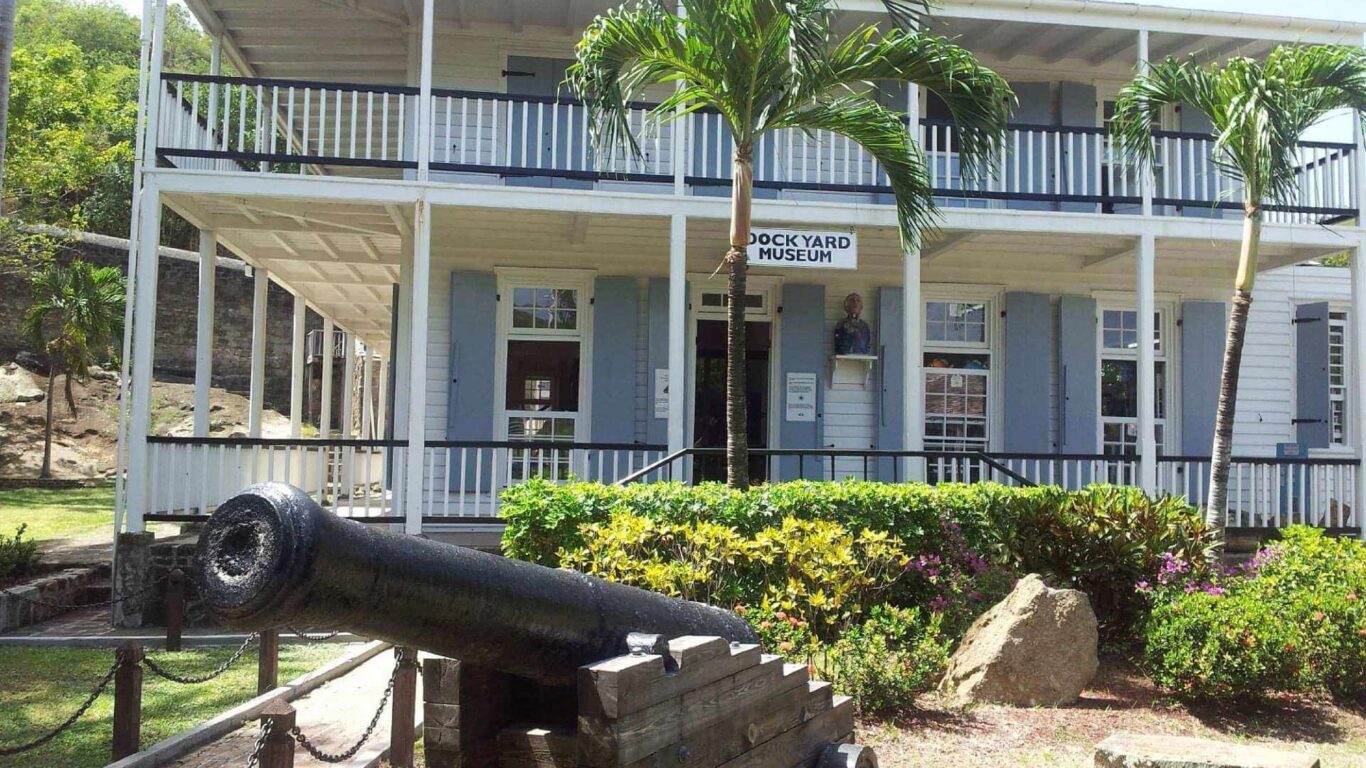
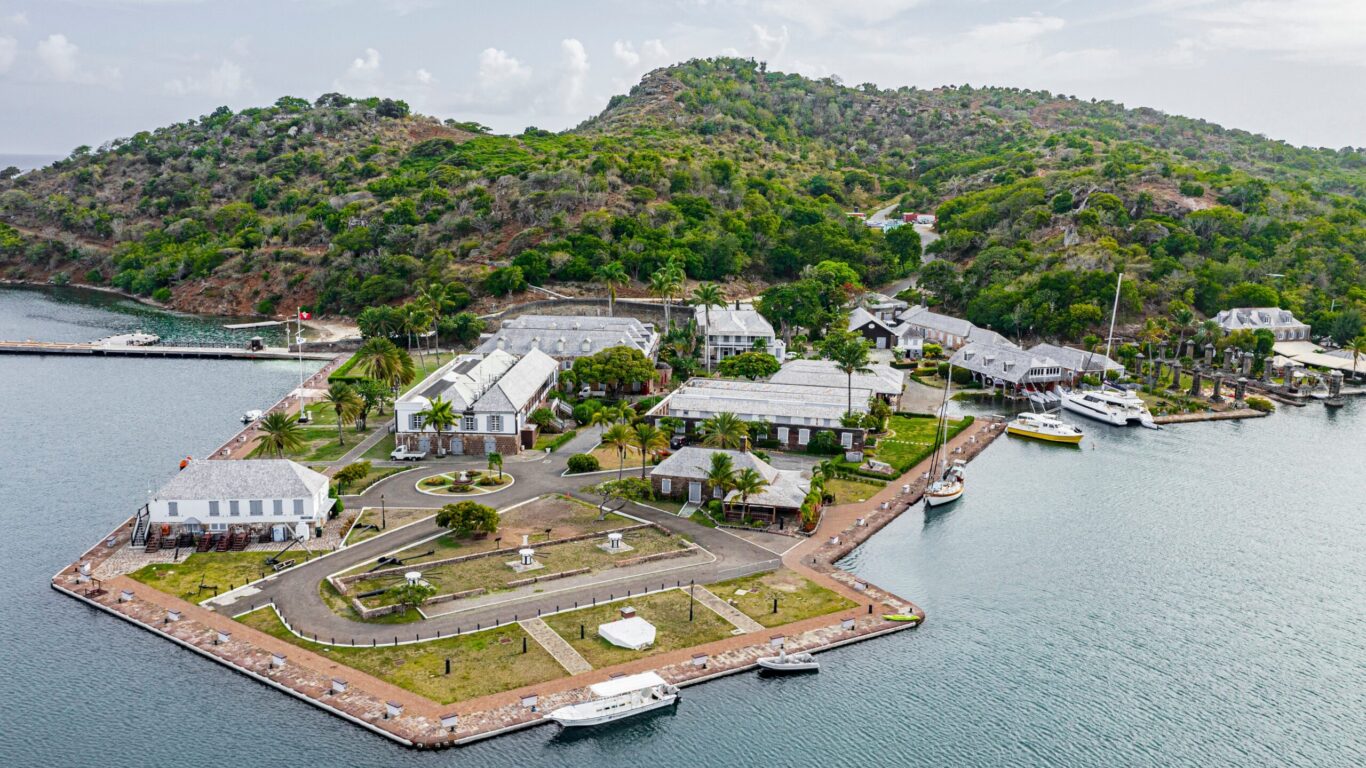
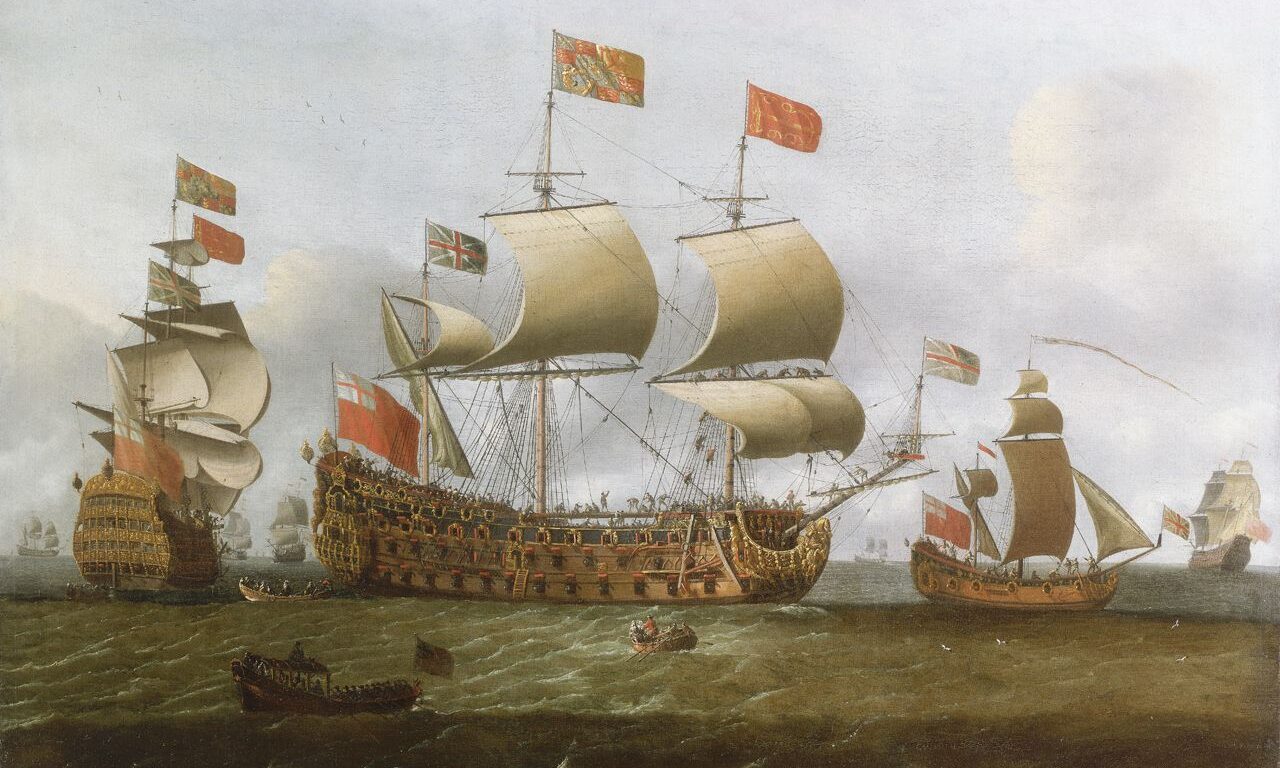
The Copper and Lumber Store, constructed in 1789, is one of the most significant surviving buildings within Nelson’s Dockyard, which today forms part of Nelson’s Dockyard National Park and a UNESCO World Heritage Site. Built in the Georgian architectural style, the large yellow-brick warehouse served an essential logistical role for the Royal Navy during the height of British naval power in the Caribbean. The ground floor functioned primarily as a storage area for lumber used to repair wooden warships. Timber was vital for maintaining hull planking, masts, spars, and other structural elements of naval vessels operating in the harsh tropical environment. The building also stored copper sheets used for copper sheathing, a technology adopted by the Royal Navy in the late eighteenth century. Copper plating was applied to the bottoms of ships to protect wooden hulls from shipworms and marine growth, which could significantly slow vessels and damage their structure. By preventing these problems, copper sheathing helped increase the speed, durability, and operational efficiency of naval ships, providing a crucial advantage during an era of intense maritime competition.
Life at the Dockyard
The upper floors and attic beneath the gabled roof of the Copper and Lumber Store were used as temporary accommodation for sailors while their ships were undergoing repairs. Much like life aboard ship, sailors would sling hammocks from wooden beams, sleeping in shared spaces while waiting for their vessels to be refitted and returned to service. At its peak during the late eighteenth century, Nelson’s Dockyard was a bustling naval complex. Hundreds of sailors, officers, shipwrights, and laborers worked throughout the harbor maintaining fleets that protected British Caribbean territories and merchant shipping routes. The dockyard is named after Admiral Horatio Nelson, who served in Antigua from 1784 to 1787 as captain of HMS Boreas. During his time in the Caribbean, Nelson was responsible for enforcing British Navigation Acts, which required colonial trade to be conducted through British ships and merchants.
The People Who Built the Dockyard
While Nelson’s Dockyard was an important center of British naval power, it was also built and maintained largely through the labor of enslaved Africans and free Black workers from Antigua and surrounding islands.
Enslaved laborers were responsible for much of the heavy construction that created the dockyard’s infrastructure. They quarried stone, transported building materials, constructed fortifications, and worked alongside naval craftsmen to build the warehouses, workshops, and defensive structures that still stand today.
Their contributions formed an essential part of the dockyard’s history and the broader story of Antigua’s colonial past.
Decline and Restoration
After more than a century of naval use, the Royal Navy abandoned Nelson’s Dockyard in 1889. By this time, naval technology had changed dramatically. Steam-powered ships with iron and steel hulls were replacing wooden sailing vessels, reducing the need for the types of repair facilities that had once made English Harbour so important.
As Britain’s naval strategy evolved and the Caribbean became less central to imperial defense, maintaining the dockyard was no longer necessary. Without a permanent naval presence, the dockyard quickly fell into decline. Many of the buildings including the Copper and Lumber Store were left without maintenance. Roofs deteriorated, wooden structures were damaged by termites and tropical weather, and several historic buildings were at risk of collapse.
By the early twentieth century, the once-thriving naval base had become largely abandoned.Recognizing the historical importance of the site, preservation efforts began in 1951, when the government established Nelson’s Dockyard National Park. This initiative launched one of the Caribbean’s earliest heritage restoration projects.
Throughout the 1950s and 1960s, extensive restoration work was undertaken to stabilize and restore the dockyard’s Georgian buildings. Architects and craftsmen carefully preserved historic features while repairing structural damage using traditional materials and construction techniques.
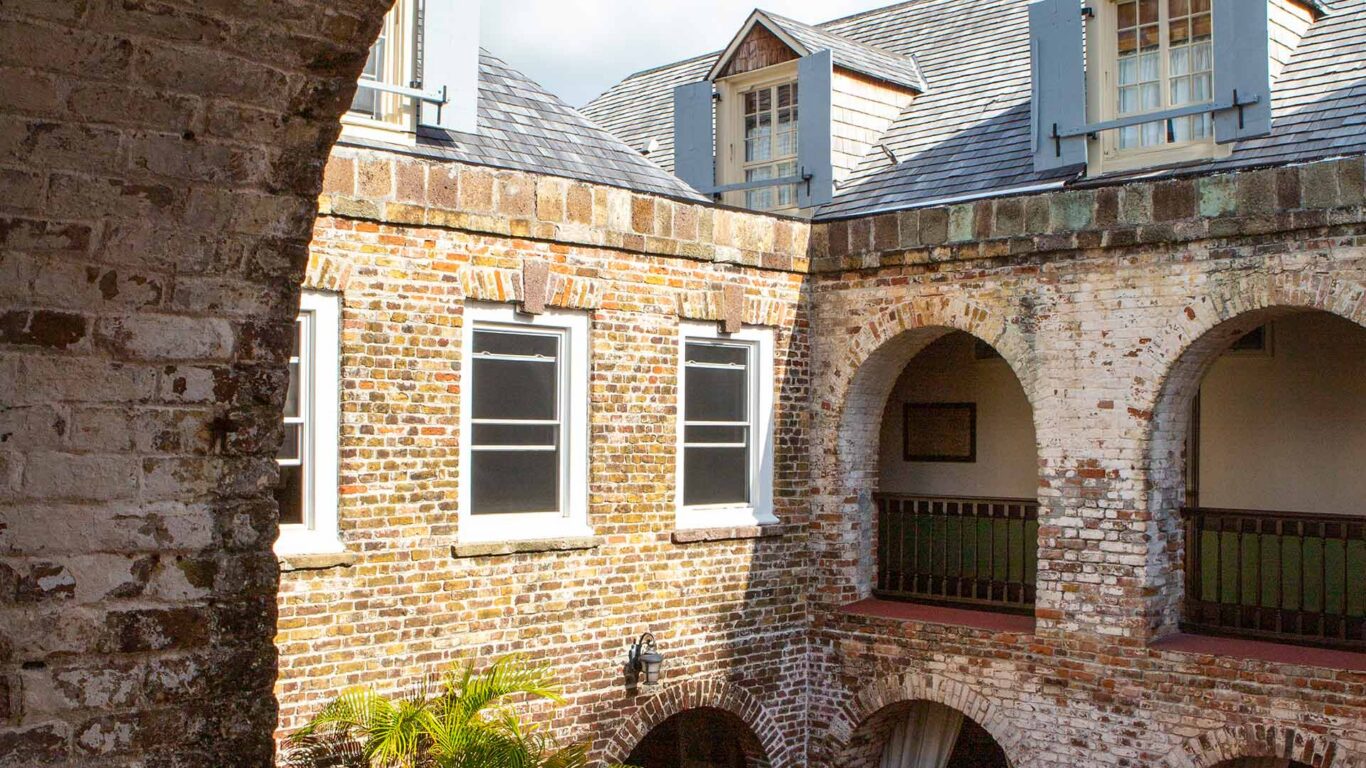
During the restoration of the Copper and Lumber Store, damaged interior timbers were replaced using traditional post-and-beam construction methods to maintain the building’s historic integrity. One notable architectural adaptation made during the renovation was the creation of the building’s open central courtyard. By opening the roof of the central gallery, designers introduced natural light and airflow into the structure while creating a welcoming shared space.
Today, this courtyard forms the architectural heart of the building. In 2016, Nelson’s Dockyard and the surrounding historic landscape were recognized as a UNESCO World Heritage Site, acknowledging the dockyard as the best-preserved Georgian naval dockyard in the world.
A Historic Boutique Stay in English Harbour
Today, the Copper and Lumber Store Historic Inn offers guests the rare opportunity to stay within one of the Caribbean’s most important maritime heritage sites. Each suite reflects the building’s historic character, featuring antique furnishings, exposed timber beams, and Georgian-inspired architectural details that echo the structure’s eighteenth-century origins. Located within the beautifully restored Nelson’s Dockyard in English Harbour, the inn allows visitors to experience the atmosphere of a place where Royal Navy ships once prepared for voyages across the Caribbean and across the Atlantic. The weathered brick arches, historic timbers, and maritime surroundings create a distinctive sense of place connecting guests to more than two centuries of naval and Caribbean history.
Historic suites at the Copper and Lumber